One Shoe, Many Rooms: How Today's Professionals Are Styling Footwear Across Every Scene

Somewhere between the pandemic reshuffling every dress code we'd ever known and the rise of the so-called "blurred lifestyle," American professionals quietly stopped accepting the idea that they needed a completely separate wardrobe for every context. The work bag, the weekend bag, the going-out bag — it all started collapsing into one intentional, versatile closet. And nowhere is that shift more visible than from the ankles down.
The modern professional isn't choosing between looking polished and looking human. They're doing both, simultaneously, in the same pair of shoes.
The Death of the Dress Code (And What Replaced It)
Let's set the scene. It's a Tuesday in Chicago. You've got a presentation with a client at 10, a working lunch at a trendy West Loop spot at noon, and you're meeting friends for drinks in Wicker Park by 7. Three different social registers. Three different unspoken dress codes. And realistically? You're not going home to change between any of them.
This is the daily reality for a huge swath of American professionals right now — particularly in industries like tech, media, finance (yes, even finance), and creative services, where business casual has stretched so far it's practically unrecognizable from its original definition.
"The concept of 'appropriate' footwear has become much more about context and confidence than about following a prescribed rulebook," says Chicago-based personal stylist Dana Reyes, who works primarily with professionals navigating hybrid work schedules. "My clients aren't asking me what shoes to wear to the office anymore. They're asking me what shoes work everywhere, because that's how their lives actually function."
That shift has fundamentally changed how smart shoppers approach footwear investment.
The Styles That Actually Pull It Off
Not every shoe is built for this kind of range. A stiletto is still a stiletto, and a flip-flop is still a flip-flop — neither is going to convincingly span a boardroom and a rooftop bar. But there's a sweet spot of styles that have proven, season after season, to be genuine chameleons.
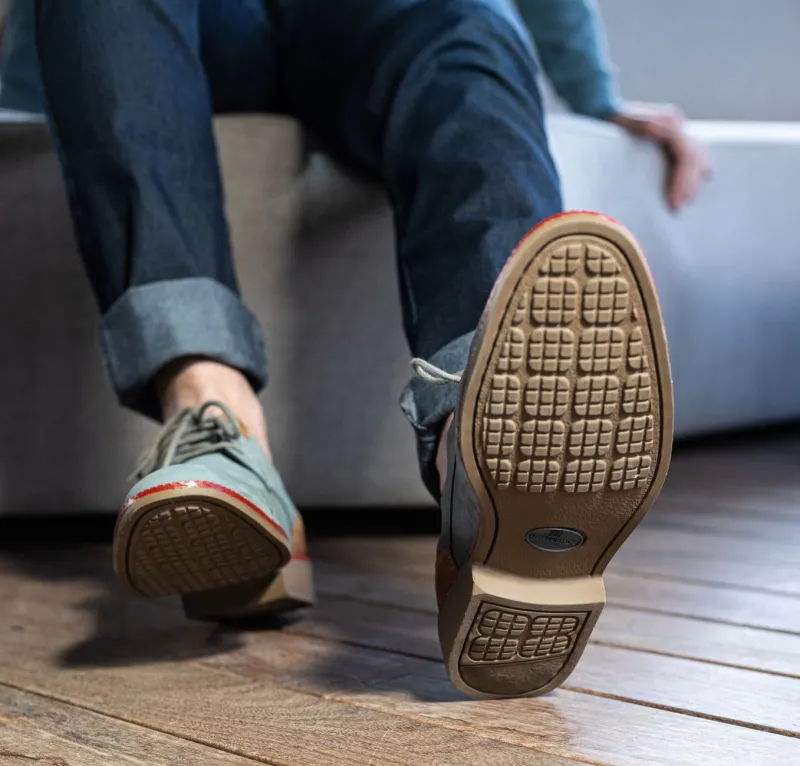
The Loafer If there's one shoe that has earned its status as the unofficial uniform of the versatile professional, it's the loafer. Specifically, the chunky-soled or penny loafer in leather or high-quality faux leather. Pair it with tailored trousers for a client meeting, swap in straight-leg jeans for brunch, and it still holds up under a midi dress for dinner. The loafer's structure reads as intentional in formal settings while its silhouette is relaxed enough for casual ones. It's the rare shoe that flatters without trying.
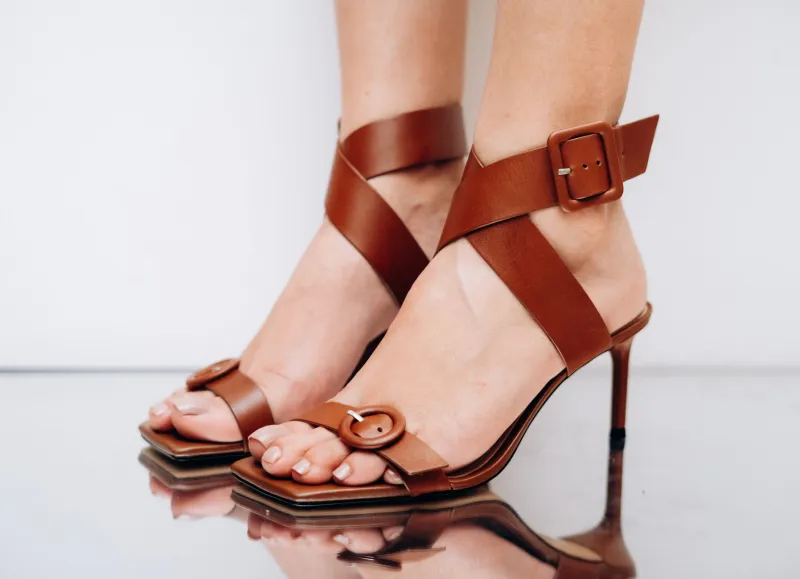
The Low Block Heel Mule This one earns its keep through sheer adaptability. A mule with a modest block heel (think two to two-and-a-half inches) has just enough elevation to signal effort without tipping into impractical territory. In a neutral tone — camel, ivory, black, or cognac — it functions as a near-universal outfit finisher.
The Clean Leather Sneaker This is the entry that would have raised eyebrows in 2015 but now barely registers as a choice worth explaining. A minimalist leather sneaker in white or off-white, worn with the right outfit, reads as deliberate and stylish in almost any setting outside of the most formal. The key is fit and cleanliness — a crisp, well-maintained leather sneaker elevates; a beat-up canvas one doesn't.
The Pointed-Toe Flat For professionals who genuinely don't want any heel — whether for comfort, practicality, or preference — the pointed-toe flat in a quality leather or satin is the answer. The pointed silhouette does the visual work that a heel might otherwise do, creating length and intentionality in a look without added height.
How the Outfit Does the Heavy Lifting
Here's a styling truth that often gets overlooked: the shoe doesn't transition alone. What makes a pair of loafers work in a conference room and at a Saturday farmers market in Brooklyn is everything that's happening above the ankle.
Stylist Marcus Webb, who works with professionals in New York and Atlanta, frames it this way: "A great transitional shoe is like a great supporting actor — it can play different roles depending on who's in the scene with it. Put those same loafers with a sharp blazer and wide-leg trousers, and they're boardroom-ready. Put them with a linen oversized shirt and cuffed denim, and suddenly it's the weekend."
The implication for building a wardrobe is clear: invest in shoes with clean, uncluttered lines, and then let your clothing context do the rest of the signaling.
Building the Foundation: Quality Over Quantity
The professionals who pull off this kind of fluid dressing most effectively tend to have something in common — they own fewer shoes than you'd expect, but the ones they own are genuinely excellent.
A versatile professional footwear foundation doesn't require dozens of pairs. It requires the right pairs. A well-curated selection of five to seven styles — one each of the archetypes above, plus a classic boot for colder months and a refined sandal for warmer ones — covers most of what life actually throws at you.
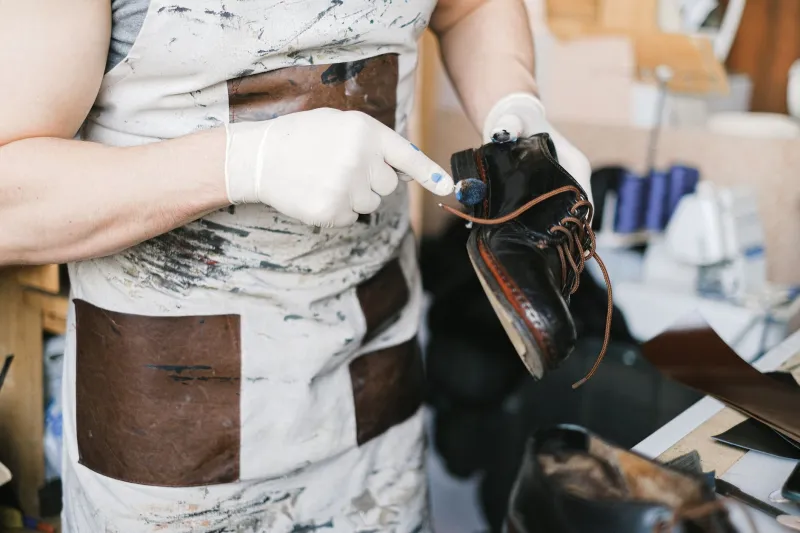
The quality piece of this equation matters more than people often want to admit. A cheaply made loafer and a well-constructed one can look similar in a product photo, but they behave completely differently in real life. The cheap version starts to look tired after a season. The quality version develops character and actually improves with wear — especially if you're caring for it properly (but that's a whole other conversation).
At Salon 3 Soles, our curated shoe collections are built around exactly this philosophy. We're not interested in stocking every trend that comes through. We're interested in stocking the pieces that our customers will still be reaching for three years from now — the ones that genuinely work across multiple scenes without compromising on craft or comfort.
The Permission Slip You Didn't Know You Needed
Maybe the most important thing to say here is this: if you've been waiting for someone to tell you that it's okay to wear your favorite loafers to a business meeting and then directly to happy hour without changing, consider this your official permission slip.
The rigid dress codes that once governed professional footwear were always somewhat arbitrary. What's replaced them is something more interesting — a standard based on intentionality, personal style, and the understanding that versatility is its own kind of sophistication.
Your shoes don't need to be different for every room. They just need to be good enough to hold their own in all of them.