Love Your Shoes Back: The Luxury Owner's Playbook for Long-Lasting Footwear
Let's be honest — buying a truly exceptional pair of shoes is an investment, not an impulse. Whether you gravitated toward a buttery-soft calfskin heel or a pair of hand-welted oxfords that cost more than your last car payment, you made a deliberate choice. And yet, most of us bring those shoes home, wear them hard, and then wonder why they start looking tired after just a couple of seasons.
Here's the thing: luxury footwear is built to last. The craftsmanship, the materials, the construction — it's all designed with longevity in mind. But that longevity doesn't happen by accident. It happens because you show up for your shoes the same way they show up for you.
At Salon 3 Soles, we live at the intersection of great style and great care, so we've put together the definitive guide to keeping your best pairs in rotation for years to come.
Start With the Basics: Storage Is Everything
You'd be surprised how much damage happens before a shoe ever hits the pavement. Tossing your heels into a pile on the closet floor, stuffing flats into an overstuffed bin, or leaving boots flopped over on their sides — all of that takes a toll.
The gold standard for luxury storage is simple but effective:
- Shoe trees for structured footwear. Cedar shoe trees absorb moisture, neutralize odor, and maintain the shape of leather shoes between wears. For heels and pumps, look for a form that fills the toe box without stretching the upper.
- Dust bags for everything else. Most luxury shoes come with fabric dust bags for a reason. Use them. They protect against light, dust, and accidental scuffs when pieces are stored close together.
- Boot shapers or rolled magazines for tall boots. Keeping the shaft upright prevents creasing along the ankle and calf — one of the most common complaints we hear from customers.
If you're in a humid climate (hello, anyone living along the Gulf Coast or the Pacific Northwest), consider adding silica gel packets to your shoe storage area. Humidity is leather's quiet enemy.
Material Matters: Treating Different Shoes the Right Way
One of the biggest mistakes luxury shoe owners make is applying a one-size-fits-all approach to care. Different materials have completely different needs.
Smooth Leather This is the most forgiving material to care for, but it still needs attention. Wipe off surface dirt with a slightly damp cloth, allow the shoe to dry naturally (never near a heat source), and then condition with a quality leather conditioner every four to six weeks depending on how often you wear them. Follow up with a matching or neutral cream polish to restore luster.
Suede and Nubuck These materials are high-maintenance but worth it. Brush regularly with a suede brush to lift the nap and remove dry debris. For stains, a suede eraser works wonders on scuffs. Always treat new suede shoes with a water and stain repellent spray before their first outing — this step alone can save you a heartbreak during a surprise spring shower.
Patent Leather The glossy finish is durable but prone to scratching and color transfer. Wipe clean with a damp cloth, and use a tiny amount of petroleum jelly or a dedicated patent leather conditioner to maintain the shine. Store patent leather pieces away from other shoes — color transfer from adjacent materials is a real risk.
Exotic Skins (Python, Croc, Ostrich) These require specialty conditioners formulated specifically for exotic leathers. If you own a pair of genuine exotic skin shoes, this is one area where a professional touch genuinely makes a difference. More on that in a moment.
Build a Seasonal Maintenance Schedule
Shoes don't need daily attention, but they do benefit from a consistent rhythm. Think of it like skincare — a little regularly goes a long way.
Monthly: Wipe down all leather shoes, re-brush suede pairs, and inspect soles for early signs of wear.
Seasonally (4x per year): Deep condition all leather pieces, rotate shoes out of active rotation into proper storage, and check for any structural issues — loose stitching, separating soles, worn heel tips.
Annually: This is the time to consider professional restoration. Have a cobbler assess the soles and heels of your most-worn pairs, and bring in any shoes that need color refreshing or leather reconditioning beyond what at-home products can handle.
The Rotation Rule: Give Your Shoes a Rest
Leather needs time to breathe and recover between wears. Wearing the same pair every single day accelerates breakdown of the insole, lining, and sole structure — even with perfect cleaning habits. A rotation of at least three to four pairs for your most-worn styles will dramatically extend the life of each one.
This is actually a compelling reason to build a thoughtful shoe wardrobe rather than owning just a few pairs you wear into the ground. Quality over quantity, yes — but enough quality pairs to keep things rotating.
When to Call in the Professionals
Some things are simply beyond the scope of a home care kit. Knowing when to hand your shoes off to an expert is part of being a savvy luxury owner.
Heel tip replacement is something that should happen before the heel tip wears down completely and starts grinding into the heel stack itself. Once that happens, the repair becomes significantly more expensive.
Sole resoling on Goodyear-welted shoes is one of the best investments you can make. A quality resole can restore a structurally sound shoe to near-original condition.
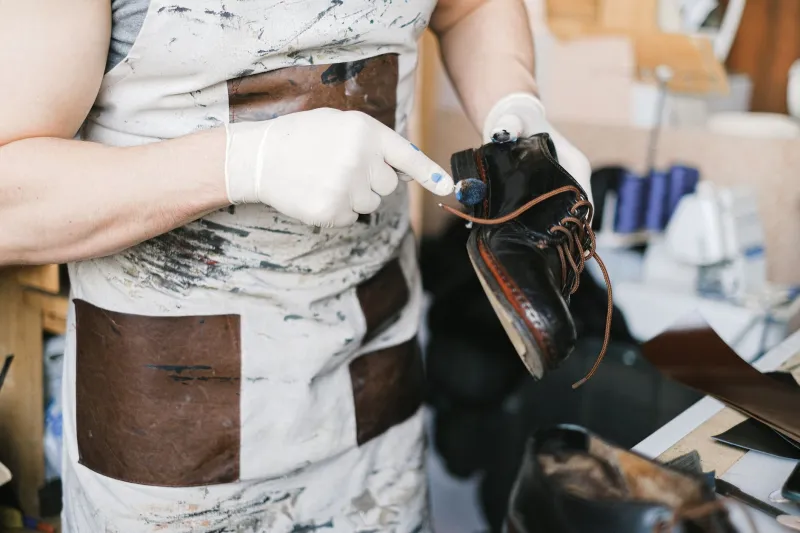
Deep cleaning and reconditioning for exotic skins, heavily stained suede, or shoes that have been stored improperly is best left to professionals who have access to specialty products and techniques.
At Salon 3 Soles, our team understands footwear from the inside out — literally. We know what goes into a well-made shoe, which means we know exactly what it takes to keep one going. Whether you're looking for guidance on building a home care kit or you've got a beloved pair that needs some professional TLC, we're here for all of it.
The Bottom Line
Luxury shoes aren't fragile — they're just particular. Give them the right environment, the right products, and the occasional professional refresh, and they'll reward you with years of exceptional wear. The secret to a great shoe wardrobe isn't always buying more. Sometimes it's simply taking better care of what you already have.