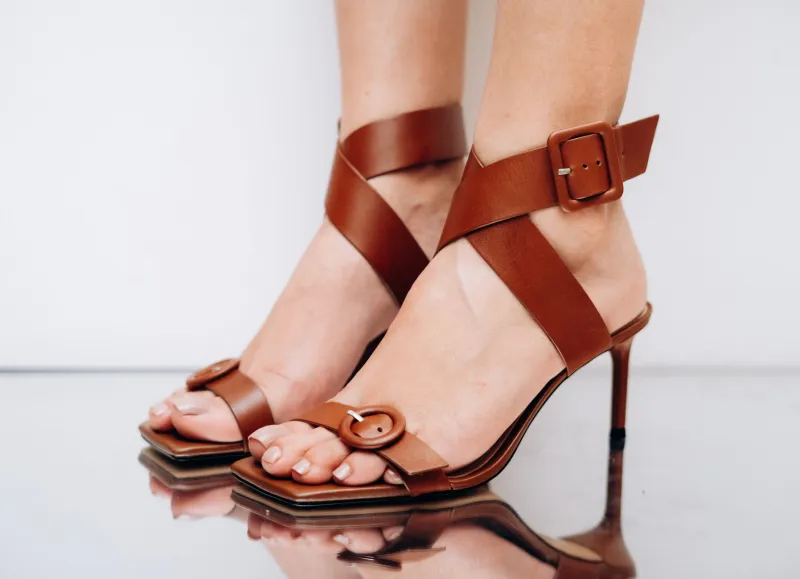
What's Actually Inside Your Shoe? The Hidden Engineering That Changes Everything
You've probably stood in a shoe store, held two pairs side by side, and wondered what on earth justifies a $400 price tag versus a $60 one. They both have heels. They both have soles. They both cover your foot. So what gives?
As it turns out, quite a lot. The difference between a mass-market shoe and a luxury one isn't just branding — it's architecture. It's materials science. It's the kind of thoughtful construction that your feet feel on mile one and really feel on mile ten. At Salon 3 Soles, we believe that what goes on your feet deserves just as much consideration as what goes on your body, which is why we're pulling back the curtain on what premium footwear is actually made of — and why it matters.
The Foundation Matters More Than You Think
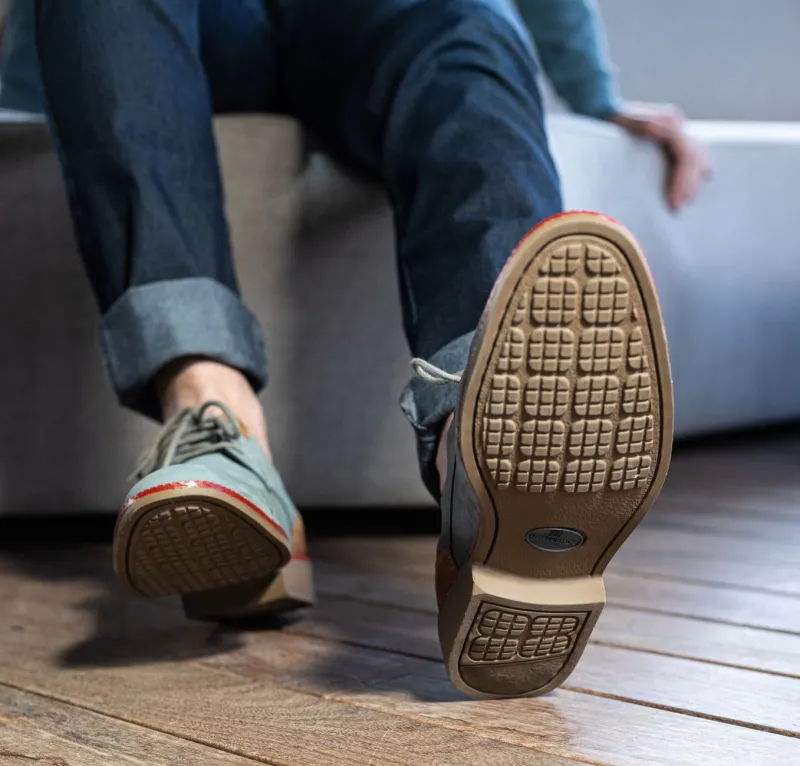
Let's start at the bottom. The outsole — the part that actually touches the ground — is your first line of defense against impact, instability, and fatigue. In budget footwear, outsoles are frequently made from basic synthetic rubber or compressed foam that degrades quickly and offers minimal grip variation. Premium shoes, on the other hand, often use proprietary rubber compounds or leather-and-rubber blends engineered for specific terrain types, climates, and gait patterns.
Brands like Salvatore Ferragamo and Manolo Blahnik, for example, have long worked with Italian cobblers who hand-finish outsoles with beveled edges and strategic flex grooves — subtle design choices that allow the foot to bend naturally with each stride rather than fighting against a rigid base.
But the outsole is just the beginning.
Cushioning Technology: Not All Padding Is Created Equal
Step up from the outsole and you hit the midsole — arguably the most important layer for daily comfort. This is where cushioning technology lives, and the gap between budget and luxury is enormous.
Mass-market shoes typically rely on EVA (ethylene-vinyl acetate) foam, which is lightweight and inexpensive but compresses permanently over time. You know that feeling when your favorite cheap sneakers just stop feeling cushioned after a few months? That's EVA breaking down.
Luxury athletic and lifestyle brands have invested heavily in next-generation alternatives. Nike's ZoomX foam, HOKA's Meta-Rocker geometry, and New Balance's Fresh Foam X technology all approach impact absorption differently, but they share a common goal: returning energy to the foot rather than just absorbing shock. Some high-end dress shoe makers have begun incorporating memory foam footbeds and gel-infused insoles into otherwise traditional silhouettes, giving you the elegance of a classic pump with the quiet comfort of something far more forgiving.
Podiatrists have noticed the difference. Dr. Emily Saunders, a New York-based podiatrist who works with patients ranging from marathon runners to office professionals, puts it plainly: "The cushioning in a well-made shoe isn't just about comfort in the moment. It's about reducing cumulative stress on your metatarsals, your knees, and even your lower back over years of walking. That's a health investment, not a luxury indulgence."
Arch Support: The Feature Most People Underestimate
Here's something that might surprise you: the average American takes between 4,000 and 6,000 steps a day. For someone in a city like New York or Chicago who commutes on foot, that number climbs well past 10,000. Every single one of those steps places pressure on your arch — and if your shoe isn't supporting it properly, your body compensates in ways that can lead to plantar fasciitis, shin splints, and chronic knee pain.
Luxury shoes, particularly those made on traditional lasts (the foot-shaped molds used to construct the shoe), are built to cradle the arch rather than ignore it. High-end brands often commission custom lasts for different foot widths and arch heights, which is why a well-fitted luxury shoe can feel like it was made specifically for you — because, in a sense, it was made for someone with your foot type in mind.
The shank — a thin strip of steel, fiberglass, or reinforced leather running through the midsole — is another architectural element that separates quality footwear from the rest. A proper shank prevents the shoe from twisting under load, which keeps your ankle stable and your gait aligned. Most fast-fashion footwear skips this element entirely.
Materials That Age Gracefully (And Feet That Do Too)
The upper — the visible part of the shoe — is where most people focus their attention, and rightly so. But materials matter beyond aesthetics. Full-grain leather, the highest quality grade available, doesn't just look better; it breathes better, molds to your foot over time, and develops a patina that synthetic materials simply can't replicate.
Breathability is a foot health issue as much as a comfort one. Shoes that trap heat and moisture create an environment where bacteria and fungi thrive — which is exactly why we always recommend pairing your luxury shoe wardrobe with regular professional pedicure care. At Salon 3 Soles, our pedicure services are designed to maintain the health of the skin and nails that your shoes are in contact with every day. Beautiful shoes deserve beautiful, healthy feet underneath them.
Synthetic uppers, common in lower-price-point shoes, don't breathe. They also crack and peel in ways that leather never does, meaning that "bargain" shoe often costs more in the long run when you're replacing it every season.
The Confidence Factor Is Real
There's a psychological dimension to all of this that deserves acknowledgment. Research in embodied cognition — the study of how physical sensations influence mental states — suggests that wearing shoes that feel good actually affects how we carry ourselves. When you're not thinking about foot pain, you walk taller. Your stride lengthens. Your posture improves. And when your posture improves, your confidence follows.
Shoe designers have known this intuitively for decades. The late Karl Lagerfeld once remarked that a shoe could change the way a person carries their body and therefore their attitude. He wasn't being poetic — he was describing biomechanics.
Investing in Your Soles Is Investing in Yourself
At the end of the day — quite literally — your feet carry the weight of everything you do. The shoes you choose to put on them either support that work or undermine it. Luxury shoe construction isn't about status symbols or conspicuous spending. It's about understanding that thoughtful engineering, quality materials, and proper arch support create a foundation for how you feel, move, and present yourself to the world.
At Salon 3 Soles, we believe the complete picture of foot wellness includes both the shoes you wear and the care you give your feet between wearings. Because when the inside of your shoe is working for you and the feet inside it are healthy and polished, every step you take becomes a little more effortless — and a lot more confident.