The Shoes That Never Leave: Understanding Why Certain Pairs Own a Permanent Spot in Your Life
The Pair You Keep Reaching For
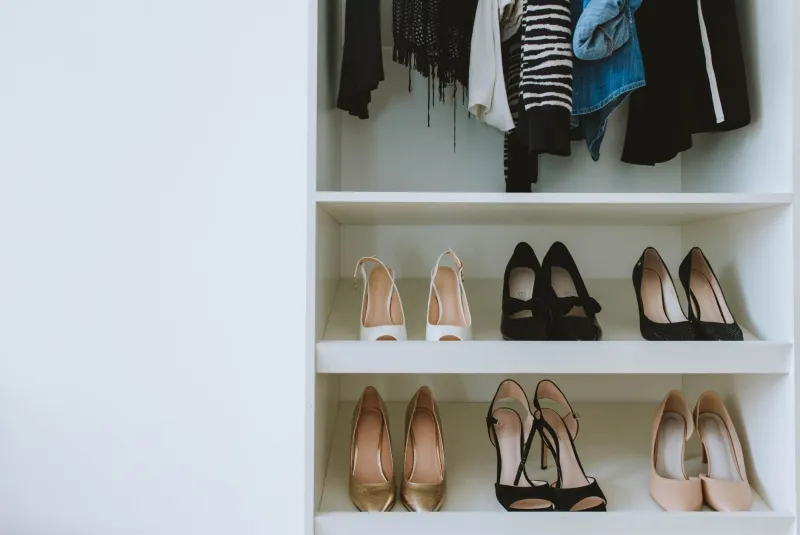
You know the ones. They're not always the most expensive shoes you own. They're probably not the ones you'd feature in a flat lay for Instagram. But every single morning, when you're standing in front of your closet trying to figure out what the day needs, your hand reaches for them first.
Every closet has a pair like this — the shoes that have quietly outlasted every trend cycle, every seasonal cleanout, and every well-intentioned resolution to "finally get rid of them." They're the sole survivors of a rotating cast of footwear, and there's more science and psychology behind that loyalty than most people realize.
It Starts With the Fit (But It Doesn't End There)
The most obvious reason we hold onto certain shoes is purely physical. A pair that fits exceptionally well is genuinely rare, and your feet know it. The human foot is a complex structure — 26 bones, 33 joints, and over a hundred muscles and tendons — and finding footwear that works in harmony with all of that is no small feat (pun fully intended).
When a shoe fits the way it should, your body registers it. Your gait improves. Your lower back stops complaining. You stop thinking about your feet entirely, which is exactly what great footwear is supposed to accomplish. That kind of physical ease creates a neurological reward loop, and over time, your brain begins to associate those shoes with feeling good. You're not just comfortable in them — you're better in them.
But here's where it gets interesting: physical comfort is only part of the equation. Research in consumer psychology consistently shows that the emotional weight we attach to objects — especially ones that live close to our bodies — significantly shapes how we value them over time. Shoes, which literally carry us through our days, accumulate emotional meaning in ways that most other wardrobe pieces simply don't.
The Stories They've Absorbed
Think about what those favorite shoes have actually been through with you. Maybe they were on your feet the day you got the promotion you'd been grinding toward for two years. Maybe they walked you through a city you'd never visited before, or stood beside you at a hospital bedside, or carried you down the aisle in some direction — toward something or away from it.
Shoes are present for the moments that define us, and that presence leaves a mark. Psychologists refer to this as "object attachment" — the way we imbue physical items with memory and meaning until they begin to feel less like possessions and more like companions. It's why the idea of throwing away a beloved pair can feel surprisingly emotional, even when you know logically that they're just shoes.
This is also why the fast-fashion cycle often feels hollow even to people who participate in it. Trend-driven purchases are designed for novelty, not narrative. They arrive without history and leave without ceremony. The shoes that last are the ones that get written into your story.
What the Trend Cycle Can't Replicate
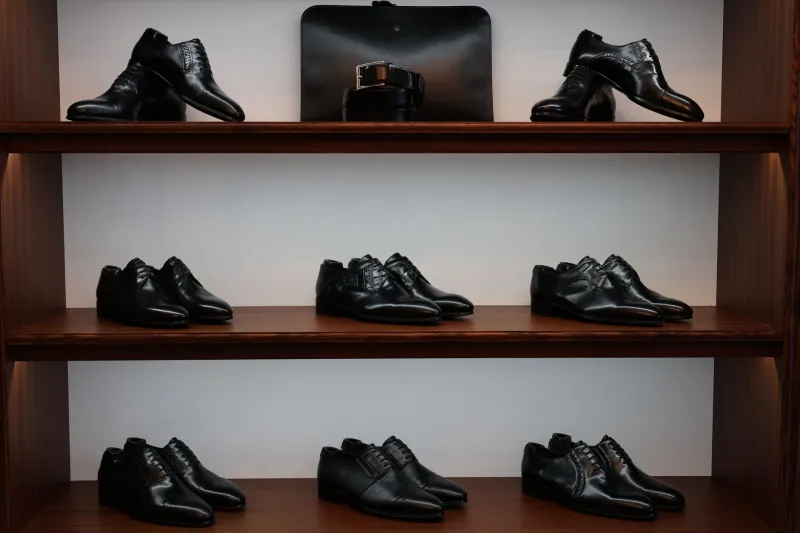
There's a reason that certain footwear silhouettes keep returning — the classic loafer, the simple white sneaker, the well-made ankle boot — while flashier trend pieces come and go without leaving much of an impression. Timeless design doesn't just look good; it wears well. It adapts. It ages in a way that feels earned rather than tired.
At Salon 3 Soles, we see this play out constantly. Clients come in for a styling session or a pedicure appointment, and they'll mention a pair they've had for eight or ten years like they're talking about an old friend. There's pride in that. A well-chosen shoe that has genuinely stood the test of time is a quiet flex — it says something about your taste, your discernment, and your willingness to invest in quality over novelty.
The shoes that survive trend cycles tend to share a few characteristics: clean construction, quality materials, a silhouette that doesn't rely on a specific cultural moment to make sense, and — critically — a fit that works for the person wearing them. That last point is non-negotiable. No amount of beautiful design survives a shoe that hurts.
The Harder Question: When Is It Actually Time?
Here's where we have to be honest with each other, because loving a shoe and holding onto it past its useful life are two different things.
There are real signals that a beloved pair has crossed the line from "well-loved" to "done." The outsole has worn through unevenly, which can actually affect your gait and contribute to knee or hip discomfort. The midsole cushioning has compressed beyond recovery — a common issue with athletic and casual shoes after significant mileage. The upper has separated from the sole in ways that no cobbler can reasonably repair. The lining has deteriorated to the point where it's affecting hygiene.
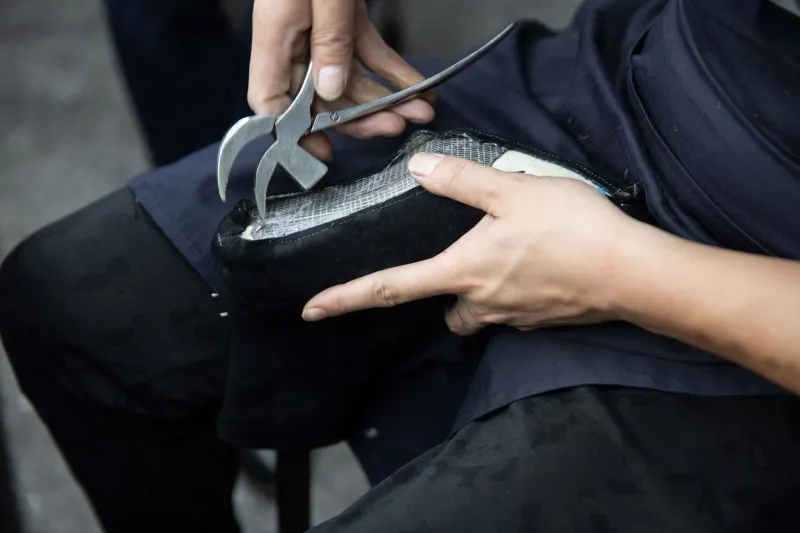
A skilled cobbler can work wonders, and we always recommend exploring repair before retirement. Resoling, re-heeling, reconditioning leather — these services can genuinely extend the life of quality footwear by years. But there comes a point where the structure of the shoe itself has broken down, and continuing to wear it is doing your feet no favors, no matter how much history you share.
How to Say Goodbye Without Just Throwing Them Out
Retiring a beloved pair doesn't have to mean a trash bag and no ceremony. There are genuinely good options for shoes that have served you well.
If the shoes still have life left but you've accepted they're not right for you anymore, organizations like Soles4Souls or One World Running accept gently worn footwear and distribute them meaningfully. If they're truly worn out, some brands have take-back programs that recycle materials rather than sending them to landfill — Nike's Reuse-A-Shoe program and similar initiatives are worth looking into.
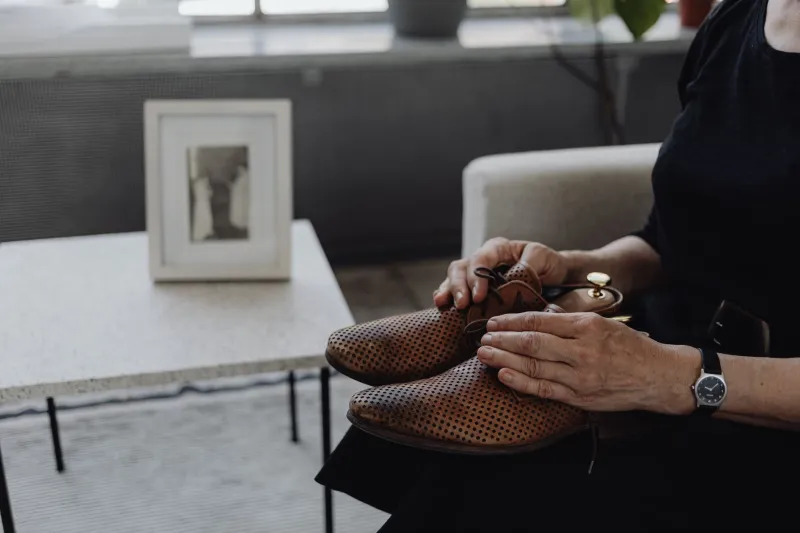
For truly special pairs — the ones with real sentimental weight — some people choose to display them rather than discard them. A well-made shoe with a great story deserves better than a garbage bin. A shadow box, a shelf, a dedicated corner of a closet: these are all legitimate ways to honor what those shoes meant without pretending they can still do the job.
The Shoes Worth Finding
Ultimately, the pairs that earn permanent residency in your life are the ones that were chosen well from the start. That's not about spending more money — it's about paying attention. To fit. To construction. To how a shoe actually makes you feel when you walk in it, not just when you look at it on a display.
When you find one of those pairs, hold onto it. Take care of it. Get it resoled when the time comes. And when it finally, truly reaches the end of its road, let it go with the appreciation it deserves.
The best shoes don't just survive trends. They outlive them so completely that the trends start to feel like the footnote, and the shoe becomes the story.