Rest Days Aren't Just for Athletes: The Smart Case for Rotating Your Shoe Collection
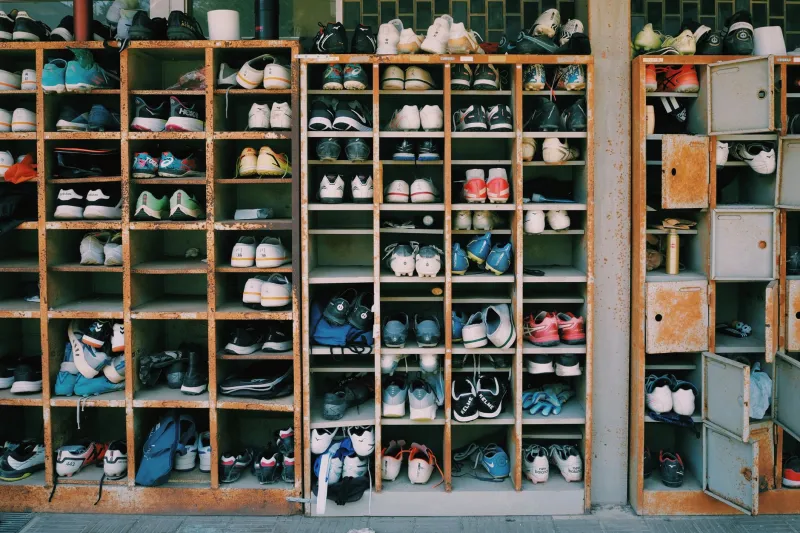
You wouldn't wear the same outfit five days in a row, so why do so many of us reach for the same pair of shoes every single morning? It's a habit that feels harmless — maybe even a little flattering to the pair in question — but footwear experts, podiatrists, and luxury goods conservators all agree: your shoes need a break. And giving them one isn't just good for the leather. It's one of the smartest financial moves a shoe lover can make.
At Salon 3 Soles, we think about shoes the way a sommelier thinks about wine. Every piece in your collection has something unique to offer, and part of honoring that investment is knowing when to reach for it — and when to let it rest.
What Happens to a Shoe When You Wear It Every Day
Let's start with the basics. Every time you slip on a pair of shoes, a few things happen simultaneously. Your feet sweat — even in cool weather, the average foot releases up to half a cup of moisture per day. That moisture gets absorbed into the insole and the lining of your shoe. If you wear the same pair the next morning, that material hasn't had time to fully dry out.
Over time, this moisture cycle breaks down the interior structure of the shoe. Insoles compress unevenly, linings deteriorate faster, and in leather shoes especially, the material can begin to stretch and lose its shape. Dr. Mara Finch, a podiatrist based in Chicago who works with patients on gait and footwear health, puts it plainly: "A shoe that hasn't aired out overnight is a shoe that's working against you. You're essentially starting your day in compromised support, which puts extra stress on your feet, knees, and lower back."
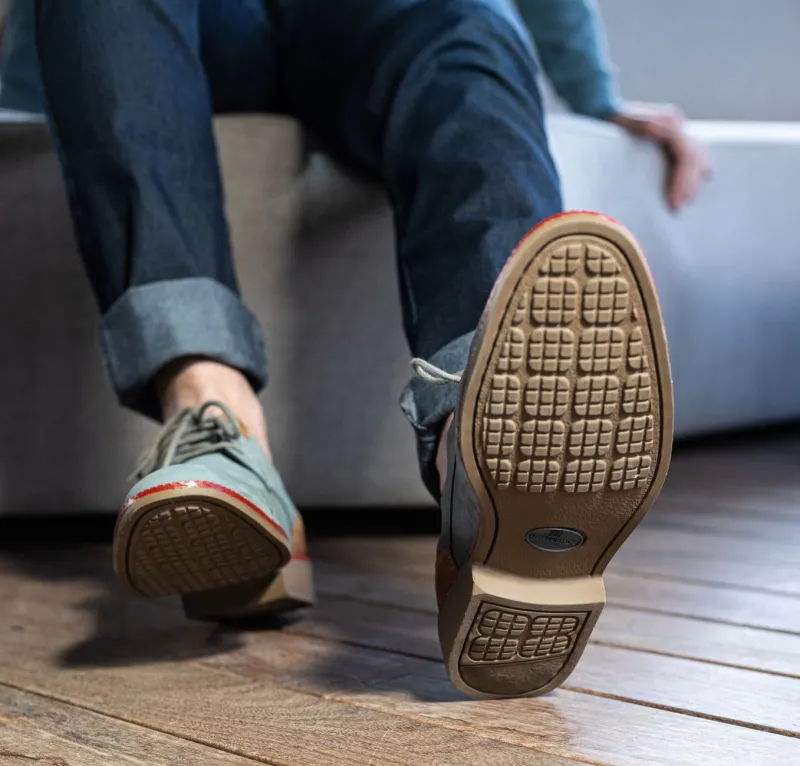
The structural damage isn't just internal. The outsole — the part that hits the pavement — wears unevenly when it's under constant stress without recovery time. For high-end footwear, where the craftsmanship is in the details, that kind of accelerated wear can be genuinely heartbreaking.
The Conservator's Perspective: Luxury Goods Need Breathing Room
Luxury goods conservators — the professionals who preserve everything from vintage Hermès bags to decades-old Italian dress shoes — have been talking about rotation for years. The principle is simple: materials like full-grain leather, suede, and exotic skins are organic. They respond to pressure, moisture, and temperature. When you give them time between wears, they have the chance to return to their natural state.
James Alderton, a textile and leather conservator who has worked with private collectors across the US, recommends what he calls the "72-hour rule" for premium footwear. "Ideally, a quality leather shoe should rest for at least two to three days between wears," he explains. "That window allows the material to breathe, any absorbed moisture to evaporate fully, and the structure to recover its original shape — especially if you're using cedar shoe trees, which I consider non-negotiable for any serious collection."
Cedar shoe trees, for the uninitiated, are wooden inserts that absorb moisture and help shoes maintain their form while they rest. They're one of the most underrated tools in a shoe lover's arsenal, and they work best when you actually give them time to do their job.
The Financial Math of a Curated Rotation
Here's where things get interesting. Many people resist building out their shoe collection because it feels like spending more. But the math, when you run it honestly, often tells a different story.
Let's say you have one pair of quality leather pumps that cost $450. You wear them four or five days a week. Realistically, under that kind of wear schedule, they'll show significant deterioration within 12 to 18 months — scuffed heels, compressed insoles, stretched toe boxes. You're looking at a repair bill or a replacement purchase well before the two-year mark.
Now imagine you invest in three pairs at similar quality levels — $450 each, for a total of $1,350. You rotate them evenly, each pair getting two days of wear per week maximum. With proper care and those cedar shoe trees, each pair realistically lasts four to six years. Suddenly that $1,350 investment is outperforming a single-pair strategy by years, and you have the added benefit of variety in your wardrobe.
This is the logic behind what stylists call a "curated capsule" approach to footwear — building a small, intentional collection where every piece earns its place and gets the care it deserves.
Building a Rotation That Actually Works for Your Life
The goal isn't to own more shoes for the sake of it. It's to own the right shoes and wear them intelligently. Here's how to think about structuring a rotation that works for a busy professional lifestyle:
Start with your weekly wear patterns. How many days are you in an office or client-facing environment? How often are you on your feet for extended periods versus sitting at a desk? Your rotation should reflect your actual life, not an idealized version of it.
Think in categories, not just colors. A solid professional rotation might include a classic pointed-toe heel, a block-heel mule or loafer, a sleek flat or low kitten heel, and a polished sneaker or comfortable dress shoe for longer days. Each serves a distinct function, which means you're not just rotating for the sake of your shoes — you're also dressing more intentionally for the demands of each day.
Factor in the seasons. Summer heat means more foot sweat, which means your shoes need more recovery time. In winter, salt and water exposure from city sidewalks require extra attention to cleaning and conditioning. Adjust your rotation frequency accordingly, and consider keeping a seasonal edit — some shoes simply perform better in certain climates.
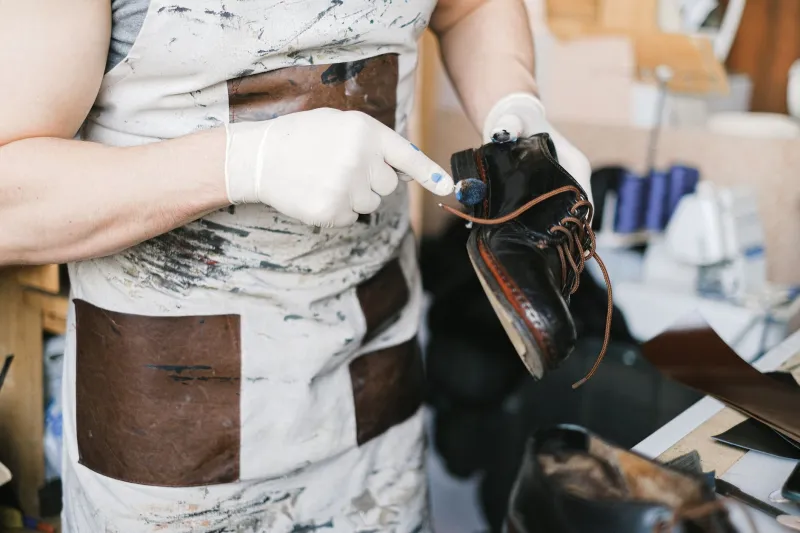
Use rest days actively. When a pair is out of rotation, that's the time to inspect them, clean the uppers, condition leather if needed, and let the cedar trees do their work. Think of it as maintenance built naturally into your routine rather than a separate chore.
The Salon 3 Soles Approach
At Salon 3 Soles, we've always believed that your shoes are an extension of how you carry yourself through the world. A well-maintained rotation isn't just a practical strategy — it's a form of self-respect. When you step into a pair of shoes that have been properly cared for and rested, you feel the difference immediately. The support is there. The structure holds. The fit feels intentional.
Whether you're building your collection from scratch or reassessing what's already in your closet, the principle is the same: fewer, better, rotated with purpose. Your soles — both the ones on your feet and the ones on your shoes — will thank you for it.