What Expensive Shoes Actually Do to Your Feet — And Why Podiatrists Are Taking Notice
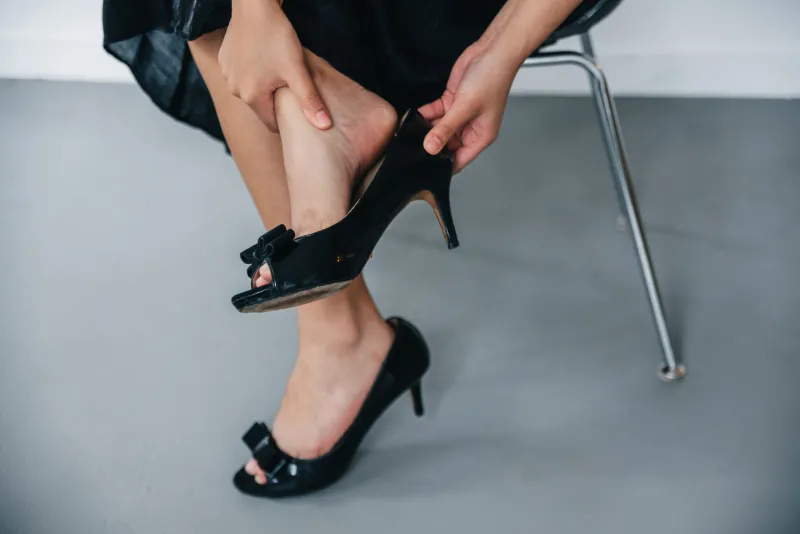
There's a moment most of us have experienced: you slip on a really well-made shoe and something just clicks. Not literally — but your foot settles in, the arch feels held, and walking suddenly feels less like a chore and more like a glide. That sensation isn't marketing. It's biomechanics.
At Salon 3 Soles, we spend a lot of time thinking about what's happening inside a shoe — not just what's happening on the outside. And increasingly, so are podiatrists. The conversation around luxury footwear has started to shift from pure aesthetics into something more substantive: preventive healthcare.
The Foot Is More Complicated Than You Think
Your foot contains 26 bones, 33 joints, and more than 100 muscles, tendons, and ligaments. Every single step you take sends a chain reaction through that entire system — and up through your ankles, knees, hips, and lower back. What you put on your foot doesn't just affect your foot. It affects everything above it.
Dr. Priya Mehta, a podiatrist based in Chicago who sees a high volume of patients with chronic foot pain, puts it plainly: "I can often tell a lot about someone's footwear history just by looking at their feet. People who've worn supportive, well-constructed shoes over the years tend to have fewer structural issues as they age. It's not a guarantee, but the correlation is real."
That's a pretty significant statement. And it's one that points directly to the long-term value of investing in quality footwear — not just for how you look, but for how your body holds up over time.
What Premium Construction Actually Means
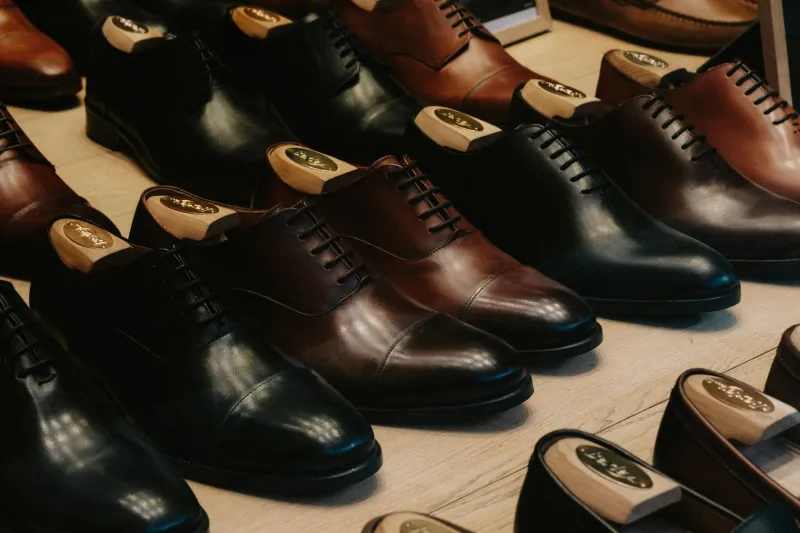
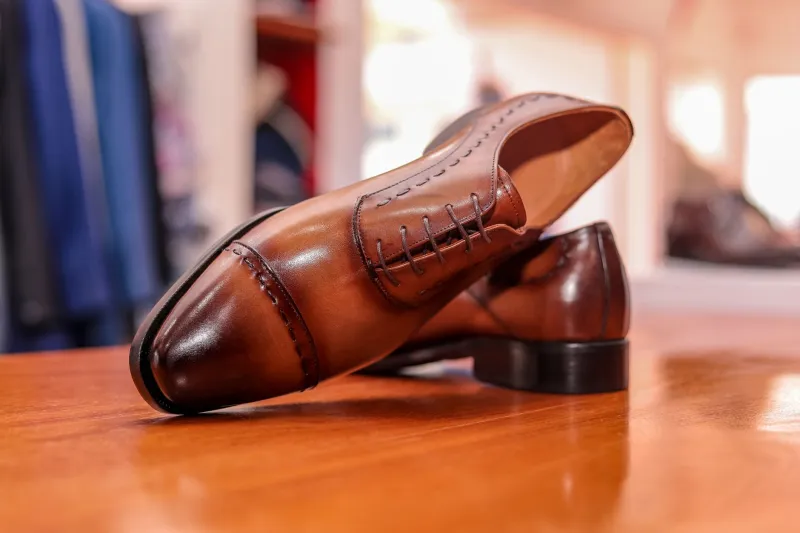
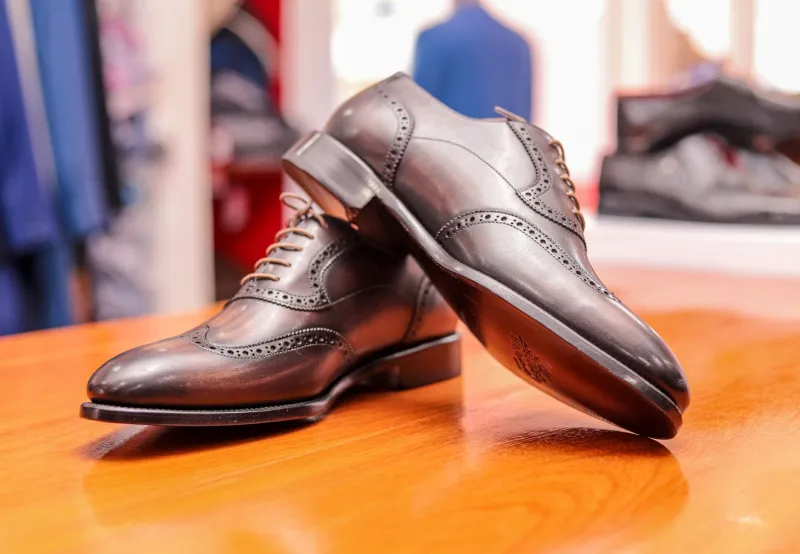
Not all expensive shoes are created equal, and price alone doesn't determine quality. But at the upper end of the market, you consistently find construction elements that genuinely change how a shoe interacts with your foot.
Arch support that's built in, not bolted on. Budget footwear often uses a flat or minimally shaped insole. Premium brands engineer the last — the foot-shaped mold around which the shoe is constructed — with a specific arch geometry. This isn't cosmetic. A properly shaped last distributes your body weight more evenly across the foot, reducing the concentrated pressure points that lead to conditions like plantar fasciitis.
Cushioning technology that's actually engineered. There's a meaningful difference between a foam insert and a multi-density midsole designed to absorb impact at specific points of the foot strike. Brands like New Balance, HOKA, and Birkenstock (at various price points) have invested heavily in cushioning science. At the luxury level, brands like Loro Piana and Bottega Veneta work with materials — supple leathers, cork footbeds, natural rubber outsoles — that compress and rebound in ways synthetic alternatives simply don't replicate.
Materials that breathe and flex. Full-grain leather, for example, molds gently to the shape of your foot over time without losing its structural integrity. It also allows for airflow that reduces moisture buildup — a key factor in preventing fungal issues and skin irritation. Synthetic materials, by contrast, tend to stay rigid or break down unevenly.
Toe box geometry. This one matters more than most people realize. A narrow, pointed toe box forces the toes into an unnatural position over time, which is one of the leading causes of bunion formation and hammertoe. Many luxury brands — particularly those with a comfort-forward heritage — design toe boxes that allow the toes to splay naturally, even within a sleek silhouette.
The Conditions You're Actually Preventing
Let's get specific, because this is where the investment argument gets really compelling.
Plantar fasciitis affects roughly 2 million Americans every year. It's caused by repeated strain on the plantar fascia — the thick band of tissue connecting your heel to your toes. Shoes with inadequate arch support accelerate that strain dramatically. Treatment can involve months of physical therapy, custom orthotics, and in some cases, cortisone injections. The cost of treatment often exceeds the cost of a quality pair of shoes several times over.
Bunions are largely driven by genetics, but footwear is a known accelerant. Narrow toe boxes and high heels that shift weight forward can push the big toe joint out of alignment progressively over years. Once a bunion is pronounced, surgery is often the only corrective option — with recovery timelines that can stretch to six months.
Metatarsalgia — pain and inflammation in the ball of the foot — is frequently the result of inadequate cushioning and improper weight distribution. It's common in people who spend long hours on their feet in flat, unsupportive shoes.
Dr. James Okafor, a sports podiatrist in Atlanta who works with both recreational runners and professional athletes, notes that he regularly recommends quality everyday footwear as part of a broader preventive strategy. "I tell my patients to think of shoes the way they think of a mattress. You spend a third of your life sleeping, and you invest in a good mattress because it affects your body. You spend a significant portion of your waking hours on your feet. The investment logic is identical."
The Pedicure Connection
Here's something we think about a lot at Salon 3 Soles: foot health isn't just about the shoe. It's about the whole system — and that includes the care you give your feet between wears.
Regular professional pedicures aren't just a luxury treat. They're a maintenance ritual that keeps your feet in the kind of condition that allows quality shoes to do their best work. Calluses that build up unevenly can change the way pressure distributes across your foot. Untreated nail issues can cause pain that alters your gait — which then ripples upward into your knees and hips. A good pedicure, paired with good footwear, is genuinely a wellness practice.
When your feet are cared for and your shoes are doing their structural job, you move differently. You stand taller. You walk with less compensation. And over years, that adds up to a body that carries less chronic strain.
Rethinking the Price Tag
The cultural script around expensive shoes tends to frame them as indulgences — things you justify rather than things you invest in. But the biomechanical case for quality footwear reframes that entirely.
If a $400 pair of well-constructed shoes prevents even one round of physical therapy for plantar fasciitis (which can run $150 or more per session, multiple times a week), the math shifts pretty quickly. If it delays or prevents a bunion surgery that costs upward of $5,000 and takes months to recover from, the math shifts even further.
And that's before you account for the daily quality-of-life difference — the simple fact that your feet don't hurt at the end of the day, that you're not compensating in your gait, that you're moving through the world with a little more ease.
Dr. Mehta's parting thought on the subject: "I wish more of my patients thought about shoes as a healthcare category before they were already in pain. Prevention is always cheaper and easier than treatment. And honestly? The shoes that prevent problems tend to be the ones that are also beautifully made."
That's a prescription we can get behind.
At Salon 3 Soles, we believe the shoes you wear are one of the most consequential daily choices you make — for your style and your body. Explore our curated footwear collections and book a foot care appointment at salon3soles.com.