Cheap Shoes Are Costing You More Than You Think — Here's the Proof
There's a particular kind of buyer's remorse that doesn't hit you at the register. It shows up quietly, maybe four months after you brought home that bargain pair — when the heel starts separating, the lining bunches up under your arch, and the sole looks like it's been through a decade of hard winters. You spent $45. You got exactly $45 worth of shoe.
We've all been there. And yet the pull of a low price tag is genuinely hard to resist, especially when fast fashion has trained us to think of shoes as disposable accessories rather than long-term investments. But here's what the footwear industry has known for a long time and rarely bothers to explain clearly: the gap between a $50 shoe and a $500 shoe isn't just about branding. It's about engineering.
Let's talk about why.
What's Actually Holding Your Shoe Together
At the most basic level, a shoe is a construction project. You've got an upper, a sole, an insole, a lining, and a whole system of adhesives, stitching, and structural components keeping everything aligned. In budget footwear, most of these elements are optimized for one thing: low production cost.
That typically means synthetic uppers that crack and peel within a season, foam insoles that compress and lose their cushioning fast, and soles attached primarily with heat-activated glue rather than Goodyear welting or Blake stitching. When that glue bond fails — and it will — the shoe is essentially done. There's no practical way to resole it, and even if there were, the upper wouldn't survive the process.
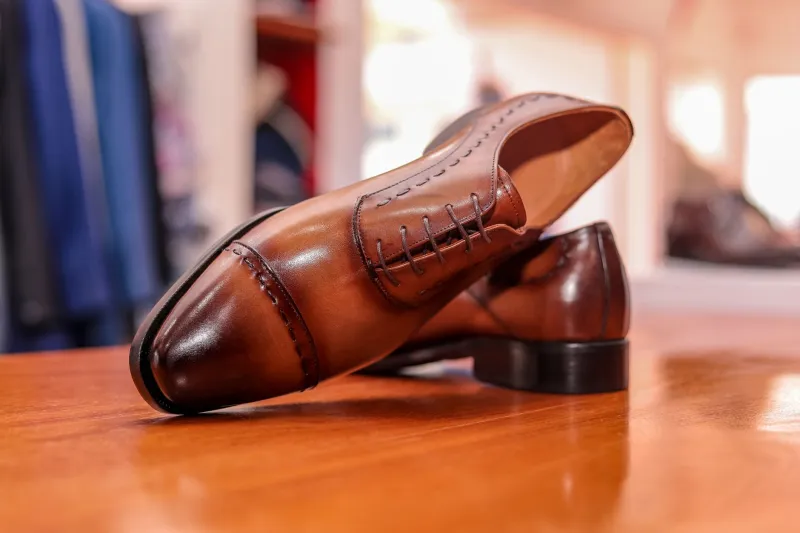
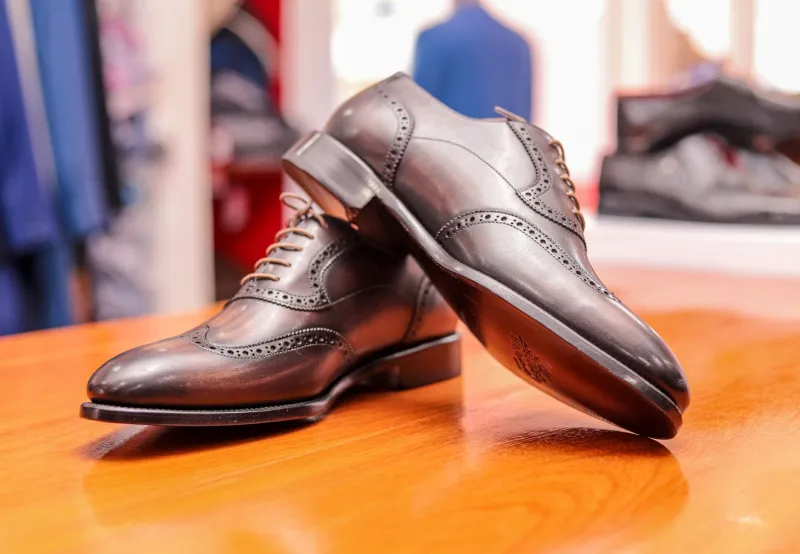
Luxury footwear works from a completely different blueprint. Full-grain leather uppers, for example, are dense and breathable, developing a patina over time rather than deteriorating. The fibers in genuine leather actually tighten and adapt to your foot with wear, which is why a quality leather shoe often feels better at two years than it did at two months. That's not marketing copy — it's material science.
The Construction Techniques That Actually Matter
Two words come up constantly in conversations about shoe longevity: Goodyear welt and Blake stitch. Both are methods of attaching the upper of a shoe to its sole through actual stitching rather than glue alone, and both dramatically extend the life of a shoe.
Goodyear welting — a technique that's been around since the 1870s — creates a layered, stitched connection that can be undone and redone by a skilled cobbler. That means when your soles eventually wear down (and they will, no matter how well-made the shoe), a cobbler can replace them entirely, essentially giving you a brand-new bottom on a broken-in upper that already fits your foot perfectly. A quality pair built this way can realistically last 10 to 20 years with proper care.
Blake stitching is a sleeker, lighter method that still offers far more durability than glue-only construction, and it's common in Italian dress shoes and sleek leather loafers. Both techniques require skilled labor and better materials — which is a big part of why the price goes up.
The Cost-Per-Wear Calculation Nobody Shows You
Here's where the math gets interesting. Let's say you buy a fast-fashion sandal for $38. It lasts one season — maybe 30 wears before the straps fray and the footbed collapses. Your cost per wear? About $1.27.
Now say you invest in a well-constructed leather sandal for $320. With regular conditioning and basic care, that shoe realistically lasts five to seven years. If you wear it 40 times a year, you're looking at 200 to 280 wears over its lifetime. Your cost per wear? Somewhere between $1.14 and $1.60 — and that's before accounting for the fact that you could resole it and extend the life further.
The numbers aren't always dramatic, but the quality of those wears is. You're not dealing with blisters from stiff synthetic linings. You're not replacing your shoes every spring. And you're not contributing to a cycle of constant repurchasing that quietly drains your clothing budget.
Fast Fashion's Favorite Myth
The fast-fashion shoe industry has done a genuinely impressive job convincing consumers that trends move too fast to justify spending real money on shoes. Why buy quality when the silhouette will be outdated next year anyway?
But look at the shoes that actually cycle back into style season after season — the classic leather loafer, the block-heeled mule, the simple pointed-toe pump, the clean white sneaker. These aren't trend pieces. They're wardrobe anchors. And they're exactly the styles that luxury and heritage brands have been perfecting for decades.
Building a shoe wardrobe around a handful of well-made classics isn't old-fashioned thinking. It's actually the more stylish move — because a shoe that fits beautifully, holds its shape, and ages gracefully will always look more expensive than whatever was on the clearance rack last March.
What Your Feet Are Telling You
There's a physical dimension to this conversation that often gets overlooked. Cheap shoes aren't just a financial drain — they're frequently a comfort and health drain too. Inadequate arch support, thin insoles, and misaligned construction put stress on your feet, ankles, and knees in ways that compound over time.
At Salon 3 Soles, we see this connection constantly. Clients who invest in well-constructed footwear tend to have healthier feet — better nail beds, fewer calluses, less chronic soreness. When you combine quality shoes with regular pedicure care, you're creating a full-circle approach to foot health that cheap footwear simply can't support. A great pedicure on feet that are being punished by poorly made shoes is a bit like putting fresh flowers in a room with a broken foundation.
So, What Should You Actually Do?
You don't have to overhaul your entire closet overnight. The smartest approach is strategic: identify the two or three shoe categories you wear most often, and make those the places where you invest in quality. If you're on your feet all day at work, your everyday flats or loafers deserve real leather and real construction. If you wear heels to events, one great pair will serve you far longer than three mediocre ones.
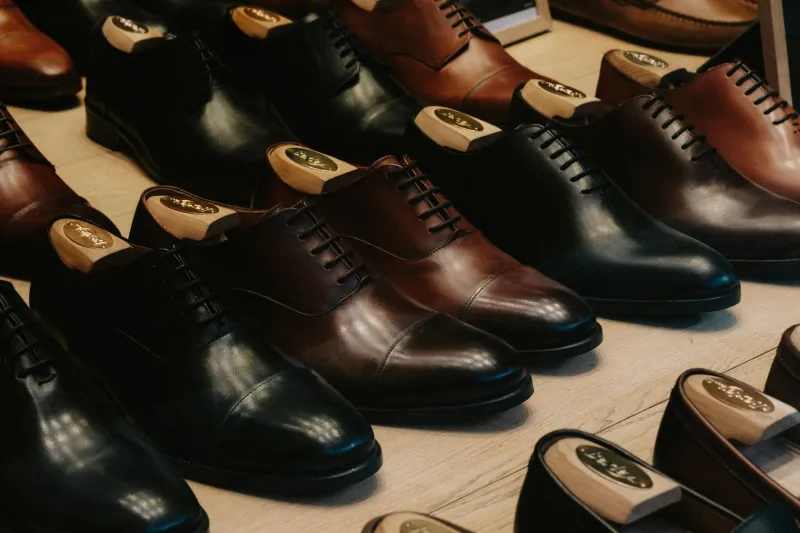
Learn to recognize quality markers when you shop: full-grain or top-grain leather uppers, visible stitching along the welt, a firm but flexible sole, a clean and smooth interior lining. When you pick up a shoe and it feels substantial in your hand — not hollow, not flimsy — that weight is usually telling you something true.
And when those quality shoes start to show wear? Don't panic. Take them to a cobbler. Condition the leather. Give them a little attention, and they'll give you years more in return.
The cheapest shoes you'll ever own are the ones you never have to replace.