From Her Closet to Yours: The Art of Passing Down Luxury Shoes That Actually Mean Something
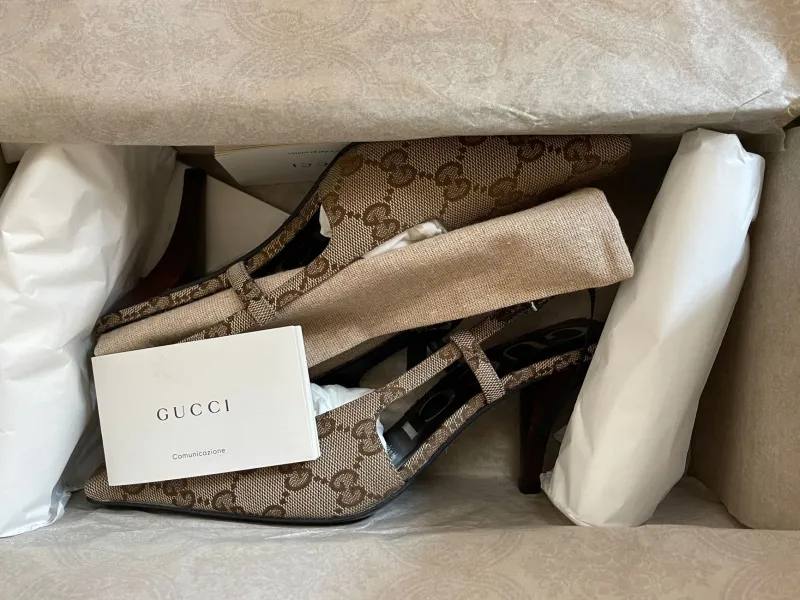
There's a particular kind of stillness that happens when you open a shoebox that belonged to someone else — someone you loved. Maybe it's your grandmother's pair of Ferragamo pumps from the seventies, tissue paper still tucked around the toe box. Maybe it's your mother's barely-worn Manolo Blahniks from her wedding rehearsal dinner, soles clean enough to suggest she treated them like museum pieces. Whatever the origin, inherited shoes carry a weight that no new purchase can replicate.
At Salon 3 Soles, we believe that great footwear isn't just a style decision — it's a long-term investment in how you move through the world. And sometimes, that investment outlives the person who made it.
Why Shoes, of All Things, Become Heirlooms
Clothing fades, stretches, and loses its shape. Handbags are beloved but often show the wear of daily use. Shoes, when cared for properly, can maintain their structural integrity for generations. The craftsmanship embedded in a pair of luxury shoes — hand-stitched welts, full-grain leather uppers, reinforced heel counters — is designed to endure. That's not an accident. It's the philosophy of the houses that build them.
But beyond the physical durability, shoes hold memory in a way few objects do. They carry the imprint of someone's stride. They've stood in rooms you've only heard stories about. That's the kind of provenance you simply cannot manufacture.
Families across the US are increasingly recognizing this. Estate sales regularly surface luxury footwear that descendants choose to keep rather than sell — not always because of monetary value, but because of what the shoes represent.
What Actually Makes a Luxury Shoe Worth Preserving
Not every expensive shoe is an heirloom in waiting. There's an important distinction between a shoe that cost a lot and a shoe that was built to last.
Here's what separates the keepers from the rest:
Construction method matters most. Goodyear-welted shoes — a technique used by heritage brands like Alden, Allen Edmonds, and Church's — can be resoled multiple times without compromising the upper. That means a pair made in the 1980s can walk into 2024 looking nearly identical, provided it's been maintained. Cemented or glued soles, by contrast, have a hard expiration date.
Classic silhouettes hold their relevance. A pointed-toe stiletto from a specific trend era may feel dated. But a clean Oxford, a simple block-heel mule, or a timeless loafer in a neutral colorway exists outside of fashion cycles. These are the shapes that appear in every decade because they flatter the foot without trying too hard.
Material quality is non-negotiable. Full-grain leather ages beautifully — it develops a patina that actually improves the look over time. Suede requires more careful storage but remains a luxury staple. Synthetic materials, regardless of price point, rarely age with the same grace.
Brand heritage adds a layer of story. Shoes from houses with documented craftsmanship histories — Salvatore Ferragamo, Chanel, Christian Louboutin, Hermès — carry an institutional story that adds meaning beyond the object itself.
Authenticating What You've Inherited
Before you decide to preserve, display, or pass on an inherited pair, it's worth understanding exactly what you have. Vintage luxury authentication has become its own industry, and for good reason — the resale and consignment market is flooded with replicas that can be surprisingly convincing to an untrained eye.
Start with the basics: examine the stitching (luxury shoes have tight, even seams with no loose threads), check the hardware (monograms should be crisp, not blurry), and look at the insole stamping (authentic pairs typically include country of manufacture and a style or serial number).
For higher-value pieces, consider reaching out to a professional authenticator. Platforms like Entrupy and Real Authentication offer verification services, and many luxury consignment shops — including those in major US cities like New York, LA, and Chicago — will authenticate in person. If you're working with a pair that could have significant monetary value, authentication documentation is essential before any insurance or estate planning conversations.
Storing Them Like You Mean It
Inheritance comes with responsibility. A pair of shoes that survived forty years in someone else's care deserves the same attention in yours.
Proper storage is everything. Keep shoes in their original boxes when possible, or invest in clear stackable containers that allow airflow. Stuff the toe box with acid-free tissue — never newspaper, which transfers ink and introduces moisture. Cedar shoe trees are ideal for leather styles; they absorb excess humidity and help the shoe hold its shape between wearings.
Temperature and light are the enemies of luxury materials. A climate-controlled closet away from direct sunlight will do more for your shoes' longevity than any polish or conditioner. If you live somewhere with significant seasonal humidity changes (hello, Houston and Miami), silica gel packets inside your storage containers are a quiet but powerful preventative measure.
And yes — wear them. Leather that sits untouched for years can dry out and crack. Occasional wearing, paired with proper conditioning, keeps the material supple and alive.
The Conversation You Should Have Before the Shoes Pass On
One of the most overlooked aspects of building a shoe legacy is the conversation — the one where you tell the people you love which pairs matter, and why.
Many families discover inherited shoes without context. A great pair of boots surfaces in an estate, and no one knows if they were a splurge purchase, a gift, or a piece bought for a specific occasion. That missing story diminishes the emotional inheritance, even if the physical object remains intact.
Consider keeping a simple log — even a notes app on your phone — that documents the story behind your most meaningful pairs. Where you bought them. What occasion they marked. Who you were with. This kind of documentation transforms an object into a narrative, and narratives are what families actually pass down.
At Salon 3 Soles, we see this play out in our salon chairs regularly. Clients come in with their mothers' shoes ahead of a family event, wanting them cleaned and polished before wearing them for the first time. There's something incredibly moving about preparing a pair of shoes for a second life. It's a kind of care that goes beyond maintenance — it's an act of love.
Some Shoes Are Just Too Good to Keep to Yourself
Building a footwear legacy isn't about hoarding. It's about recognizing that the right pair of shoes, in the right hands, will continue doing what it was made to do: carry someone through the world with a little more confidence, a little more beauty, a little more intention.
If a pair doesn't fit you — literally or stylistically — the most respectful thing you can do is find the person it was made for. That might be a daughter, a niece, a close friend, or even a careful buyer through a trusted consignment platform. Luxury footwear finds its highest purpose when it's worn, not preserved in perpetuity behind closed doors.
The sole, after all, was made for the ground.